What is Movement?
The term movement is actually too general and doesn’t say much. The world of “movement” is broad and includes a variety of physical activities, whether it’s free movement, athletics, running, walking, dancing, ball games, or lifting, pulling, and pushing weights. Therefore, to create common terms, we must focus the general concept of “movement” to a more precise description of the term, in our case for learning and understanding:
Physical level: Physiological balance and basic movement patterns such as: walking, posture, sitting, standing, crawling, and even the basic breathing process.
Psycho-physiological level: Understanding of sensations, emotions, “sense of self” on a physical level, and changing habits.
The Body as a Unit
The physical body cannot be fully separated from the emotional and energetic bodies. Even within the physical body, no area can function in complete isolation without affecting the rest of it. While we might focus on a specific area, we aren’t entirely isolating it, nor should we. It’s true that some muscles can work harder in certain movements, but supporting muscles, the skeletal system, fascia, and skin are always involved. Over-isolation can even lead to a lack of awareness of the rest of the body. Therefore, principles like energy flow, release, and movement efficiency are emphasized. In micro-movement classes, the focus is on viewing the body as a whole, with more attention on action than muscle, and on awareness rather than results.
Movement Flow and Animal Flow
A key principle in micro-movement classes is “natural movement,” also known as “animal flow” or “animalistic movement.” This approach is based on the understanding that humans are a product of over half a billion years of evolutionary development, starting from single-celled organisms to marine creatures, amphibians, reptiles, mammals, apes, and eventually humans. Only in the last 400,000 years have we become modern humans. We share genetic traits and instincts passed down through evolutionary memory, which influence our natural behaviors and movements. By exploring and imitating movements from the animal world, we can better understand human movement and, in turn, ourselves.
Mobility= Movement Ability
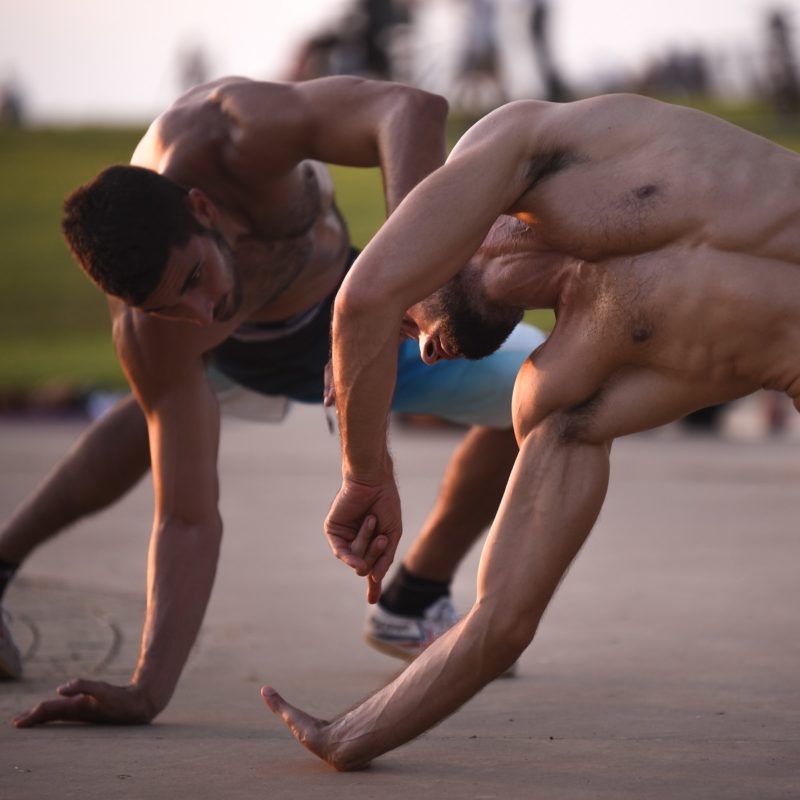
Movement ability is determined by the balance between flexibility, mobility, strength, and movement intelligence. An unbalanced body becomes limited in movement. Natural body movement allows for achieving physical balance in a simple way. There is more emphasis on range of motion and active flexibility because the movement itself requires flexibility and action. As movement ability improves, complex elements such as full split, handstands, bridge, and so on become easier to perform.
Muscular and Joint Load
As more complex movement patterns are practiced, the load distribution also becomes more complex. The movement limitation is not only dependent on muscle capacity but also depends on the load that the joints (such as wrist, elbow, shoulder, knee, ankle) are capable of bearing at any given moment.
Changing the Source of Movement from Cognition to Instinct
When we learn any new action, physical or non-physical, there is a lot of brain activity related to learning, neuronal activity occurring in the right frontal area of the brain. The frontal side is the cortex and it’s the frontmost part responsible for abstract concepts and it’s what distinguishes us humans from other animals. The more posterior/internal side of the brain is the part that is common to us and other animals. Further back and further down means it’s a more ancient part and common to more ancient animals. The oldest parts, such as areas responsible for fear, anger, search, thirst, etc., are common to us and reptiles like snakes or crocodiles, which have existed for about 400,000 million years on Earth.
Interestingly, in FMRI brain scans performed on people who master a certain activity like playing music, for example, we see a variety of changes in brain activity (of neurons and axons) moved from the right frontal side (during the learning period) to the left posterior side after knowing how to play, i.e., from the stage of the “unknown” to the stage of the “known”. The same is true for movement, which over time becomes instinctive and animalistic, does not require strenuous thought and allows us to be in cognitive and physical calm during practice. When the transition from cognitive activity to instinctive activity occurs, then the separation between the object and the action disappears, i.e., instead of the practitioner crawling, the practitioner and the crawling become one thing at the practitioner’s level of consciousness, in yoga this is called dhyana.
The Right Brain / Right Hemisphere
The right side of the brain (in right-handed men) has developed to deal with everything unknown. The right side is more visual, intuitive, creative, and emotional, suitable for dealing with uncertainty and disorder.
Adjusted Difficulty Level
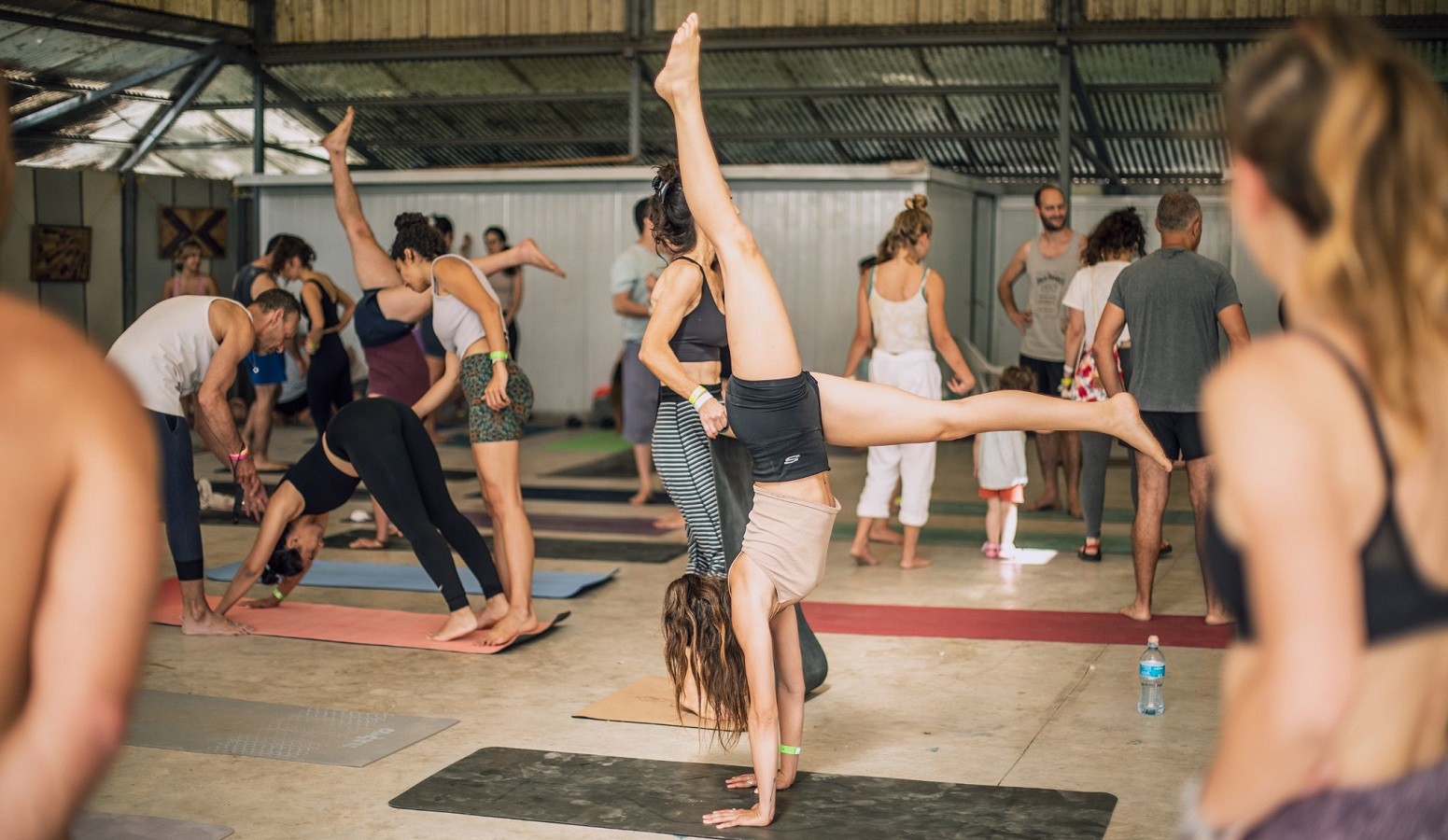
The classes and exercises are structured so that the level of difficulty is suitable for both beginners who are just entering the world of movement and for advanced practitioners. Generally, practitioners are considered beginners if they have been practicing for up to three years. For advanced practitioners, there are more advanced variations of the same exercises in addition to the basic practice that is important for everyone.
The Left Brain / Left Hemisphere
The left side of the brain is more analytical, mathematical, orderly, operates logical, linear thinking, good with words (writing and reading), and is more adapted to what is already known and controlled in a state of relative certainty.
Physical Fitness as a Means
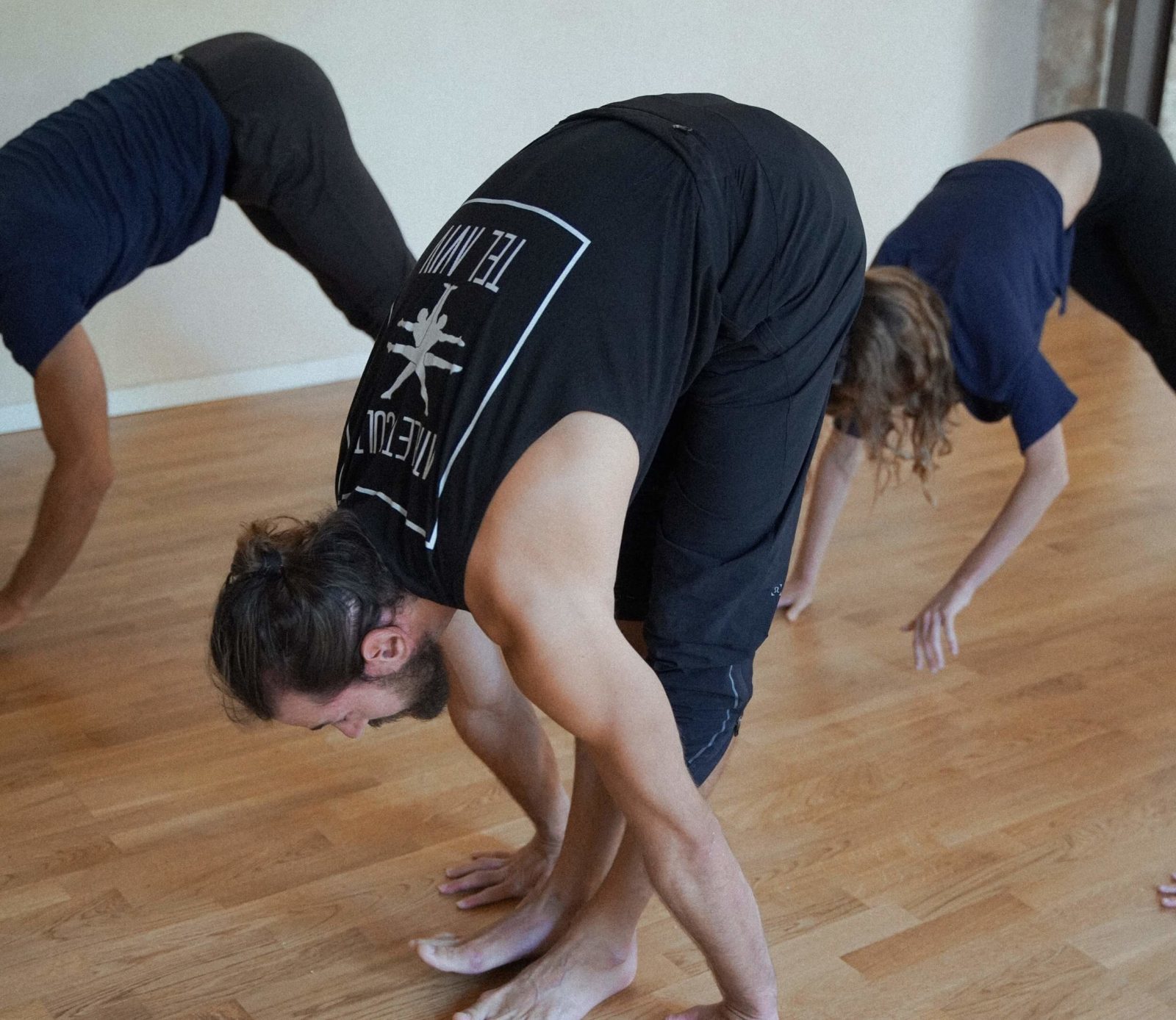
Unlike types of training that promise “quick results”, “weight loss”, “muscle mass building”, our classes do not focus on external appearance (external appearance is the bonus). It’s important to understand that an attractive external appearance is just a sign that the activity we are doing is good and indicates health and vitality, but it’s clear that external appearance alone is not a correct goal. And also fitness or ability to do impressive stretches is not the goal, but as a result of deepening in practice and internal understanding, fitness and health improve.
Movement Intelligence
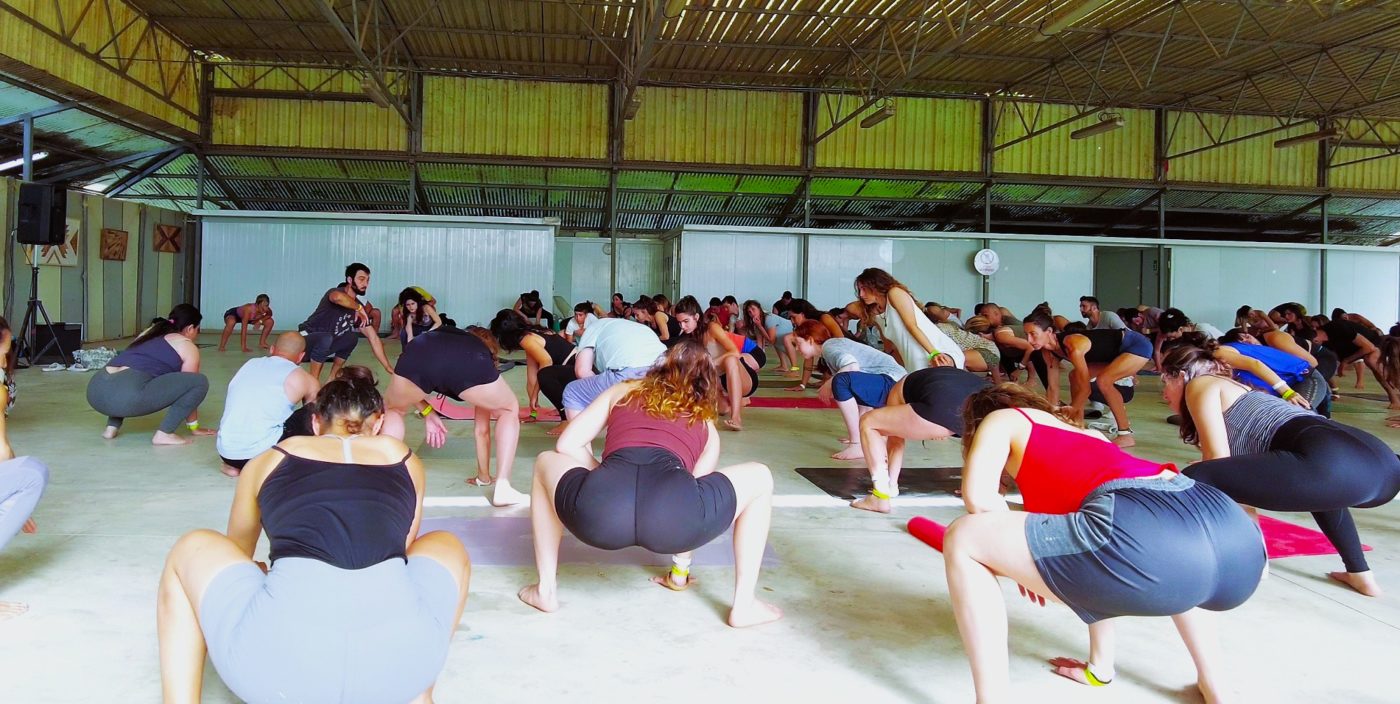
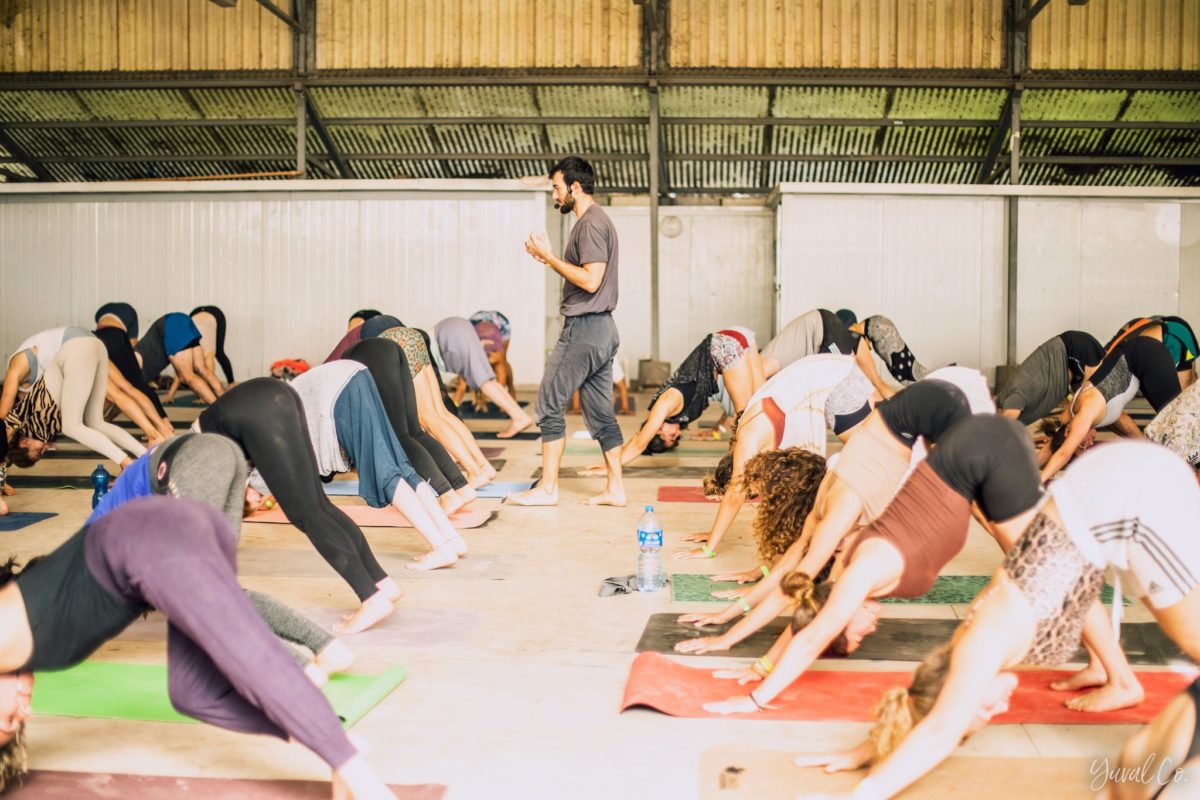
In many cases, the practice itself will look to an outside observer very similar to other movement classes, even to simple fitness classes or functional training, but the approach, understanding, and perception are fundamentally different. In many cases, these are the same exercises or similar exercises just with significant deepening in the level of awareness, and focus on a certain dimension of movement, for example: you can perform a certain exercise with focus on breathing, or focus on movement efficiency or focus on speed and technique, until finally combining them all together.
Movement Practice in Changing Environments
Like the changing reality, we also want the environment in which we practice movement in space or any other activity to change in order to create additional abilities for us such as mental flexibility and solving movement problems in a changing environment such as: external distractions, cold and heat, different types of surfaces and grips, and more.
Practicing in a non-optimal, uncomfortable, and non-sterile environment teaches us to adapt to different situations and release mental fixations. Variety in physical movement allows for creating variety in thought patterns and vice versa.
Use of Aids, Weight Training, and Gyms
The use of tools to improve physical abilities is not invalid and can certainly contribute, however, increased or frequent use of aids such as electric treadmills, weight loading machines, and so on changes the body from its natural actions and movements, and as a result, the chance of going out of balance increases.
A common example is focusing on upper body exercises significantly and unbalanced in relation to the lower body, creating a strong but unbalanced body. Focusing on a particular subject or dimension may cause not seeing the big picture, such as identifying natural tendencies on the physical level, and on the mental level and balancing them.
Who are movement classes suitable for?
Movement class practice is suitable for beginners and advanced practitioners alike, the difficulty level varies, however, the depth of content and understanding advances already in the first classes, and is not suitable for those who are only looking for aesthetic results from physical practice.
What is the advantage of a movement class?
The main advantage of movement classes compared to other classes is the acquisition of tools that allow the trainee to practice consciously and independently in any place and at any given time.