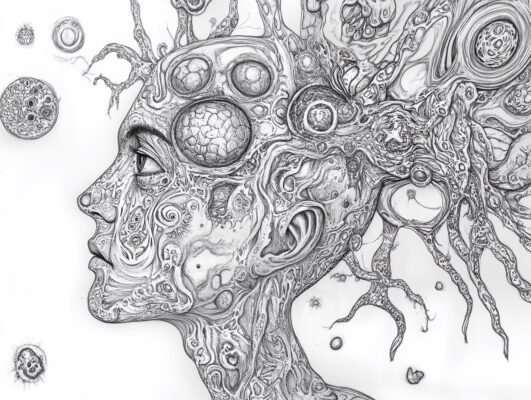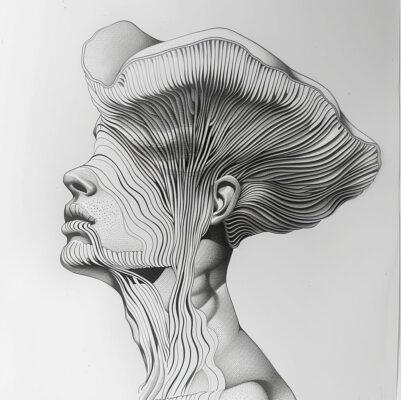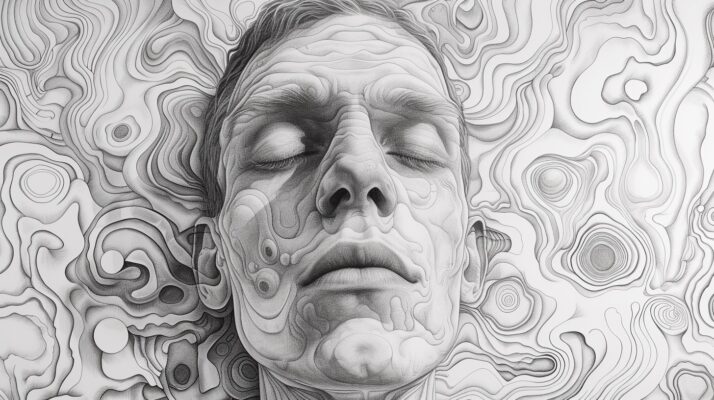

Despite promising research, in the late 1960s, the use of these substances became controversial due to concerns about their potential medical benefits. Despite the lack of concrete evidence of harm or toxicity, the use of psychoactive substances faced increasing criticism. The prevailing social and political climate at the time played a significant role in changing public opinion and policy towards these substances. This led to the demonization of psychoactive substances and their classification as drugs without distinguishing between types of substances and their effects, even in the absence of substantial scientific research proving their dangers.

Disclosure
The content is not a recommendation! The content is research-based, but does not replace medical advice. Moreover, as of 2024, the use of psychoactive substances are still illegal in most countries. We do not encourage violation of the law or the use of dangerous substances.
Indigenous cultures around the world have long recognized the profound potential of psychoactive substances. These cultures have incorporated these substances into their spiritual practices, such as the ayahuasca ceremony, and viewed them as tools for connecting with the unknown and gaining insight into the ultimate nature of reality. The ceremonial use of psychoactive substances was often guided by experienced shamans or spiritual leaders who understood how to safely navigate these altered states.
Many studies conducted in recent decades have begun to shed light on the potential therapeutic benefits of various psychoactive substances. Research has shown promising results in treating various mental health conditions, including depression, anxiety, post-traumatic stress disorder (PTSD), and addiction. Psychedelic-assisted therapy has shown promise in allowing individuals to process traumatic experiences, gain new perspectives, and find healing.
Despite these positive findings, the stigma surrounding psychoactive substances continues to hinder further research and understanding of their therapeutic potential. Public perception and legal restrictions often limit the availability of these substances for scientific research and clinical use. This poses a significant barrier to fully understanding their mechanisms of action and optimizing their therapeutic applications.
In recent years, there has been a resurgence of interest in psychoactive substances within the scientific and medical communities. Researchers are conducting rigorous studies to explore their potential medical benefits, safety profiles, and optimal dosing protocols. This renewed focus on psychedelic research has the potential to revolutionize the field of mental health and provide alternative treatment options for individuals who have not found relief through conventional therapies.
Why Do Studies Suggest Psilocybin for Depression?
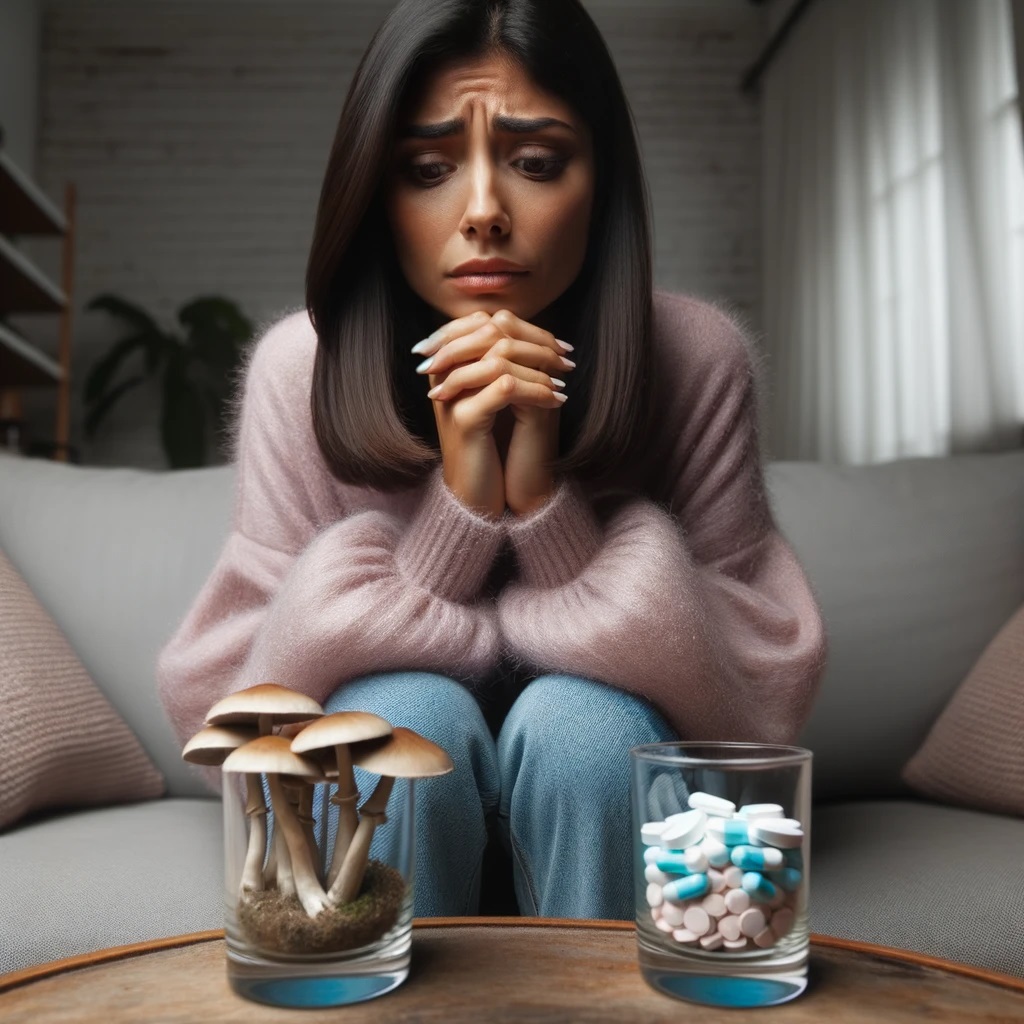
Classic antidepressants like SSRIs (brand names such as Prozac or Cipralex) can take weeks for their effects to begin, with an efficacy rate of only 30-40%, while psychoactive substances may produce immediate results that last over time, according to findings from follow-ups of six to twelve months after treatment showing consistent reduction or cessation of depression. Additionally, traditional antidepressants like SSRIs do not offer the life-changing experience that “the psychedelic experience” often brings. Psychoactive substances may be a quicker, safer, and more effective solution for treating depression and anxiety than classic antidepressants.
The Neurobiology of Depression – An Overview
It is beyond the scope of this article to condense the complex topic of the neuroscience related to depression into a few paragraphs, but a quick overview can be helpful in understanding how psychoactive substances impact depression and their relation to neurotransmitters and neuroplasticity.
Neurotransmitters in Depression
While the source of depression is much more complex than just the role of neurotransmitters, they do play a key role in its onset and progression. Neurotransmitters like dopamine, norepinephrine, glutamate, and serotonin are chemical messengers that carry information across the brain by communicating through synapses or chemical channels between neurons.
How Do Neurotransmitters Work?
Classic antidepressants work by regulating monoamine chemicals (neurotransmitters) and increasing their levels. Studies have shown that individuals with major depressive disorder (MDD) have a higher level of an enzyme that clears neurotransmitters from the brain called monoamine oxidase. While monoamine oxidase inhibitors are less commonly used as antidepressants due to their side effects, classic antidepressants work through other metabolic channels to increase serotonin, norepinephrine, dopamine, or a combination of them.
They often work by preventing the reuptake of these neurotransmitters, causing them to remain active in the brain’s communication system for longer. Some common antidepressants are called reuptake inhibitors (SSRIs). Reuptake inhibitors have been shown to increase brain-derived neurotrophic factor (BDNF) involved in neuroplasticity.
Classic psychoactive substances (also known as serotonergic tryptamines) work by increasing activity in 5-HT serotonin receptors. While this is a common action for psychoactive substances, it is not their only mechanism of action. For example, ketamine works differently by reducing activity at the N-methyl-D-aspartate (NMDA) receptor and reducing activity of the neurotransmitter glutamate.
The Role of Plasticity in Depression
Plasticity is the brain’s ability to rewire itself, creating new connections in how signals and messages are transmitted by neurotransmitters. Without this ability, the brain would not develop properly or recover from trauma experienced from birth to adulthood. This is true for animals similar to humans like rats.
Healthy information transmission in the brain depends on the plasticity of neural networks. Neuroplasticity is a broad term encompassing molecular, cellular, electrophysiological, structural, functional, and psychological changes that occur in the brain.
A 2021 study found that neurotrophic factors play an important role in neuroplasticity. Neurotrophic factors are molecules that support the growth, survival, differentiation, and synaptic plasticity of neurons. Brain-derived neurotrophic factor (BDNF) is the primary signaling molecule involved in most forms of neural plasticity.
What Affects Brain Plasticity?
The same study further states that atrophy and loss of synapses, and loss of volume in brain structures affect plasticity and are present in individuals with major depression. Other changes include increased levels of the stress hormone cortisol, anti-inflammatory cytokines, and impaired communication between different brain regions. The role of the hippocampus and amygdala is crucial, as is the communication between other brain structures.
In a state of depression, certain brain areas have an inability to adapt while others function excessively, impairing neuroplasticity. Psychoactive substances can enhance neuroplasticity in the brain; however, the monoamine theory and plasticity theory are still just attempts to explain the mechanisms involved in depression. These theories are ongoing areas of research and not yet solid science.

The Psychedelic Experience Under Psilocybin Mushrooms
Unfortunately, there is not enough research documenting the interpretation and meaning of the psychedelic experience defined as a “mystical experience”. Nevertheless, mystical experiences that people undergo under the influence of psychoactive substances change lives during the effect and cause long-term changes in perception and behavior. Psychoactive substances open people to new ways of thinking and feeling.
It seems that activation of the serotonin receptor affects existential concepts of “self,” including moral values, self-identity, and purpose. In addition to improving mood as measured by the Big Five personality traits model, people become more open to change.
How Do Psychoactive Substances Affect Depression?
The impact of psychoactive substances varies greatly depending on the environment and the current mental state in which the patient arrives at the session. Therefore, the effect on depression depends on these factors, the setting and environment in which the experience occurs, expectations related to the experience and dosage, and the patient or user may experience a range of heightened states of perception and consciousness. Some or several of the following mechanisms may bring about these experiences:
Fear Center in the Brain
We know from research that psilocybin exerts its effects by increasing activity in the amygdala during and after use, which is the brain region that processes fear and the “fight, flight, or freeze” response. This activation reduces the tendency of the depressed person to repeatedly embed negative thoughts. This allows for the breaking of the cycle of negative communication, which may explain a significant part of psilocybin’s therapeutic potential. Increased amygdala activity allows individuals to process difficult emotions, cut through negative thought patterns, and increase activity in emotional areas.
Neural Transmission Activity
Classic serotonergic tryptamine psychoactive substances increase activity in serotonin receptors. It can be said that depression is a communication disorder in the brain, and neurotransmitters are chemical messengers. Psychoactive substances alter the function of these neurotransmitters at the receptor level.
Can Psychoactive Substances Help Treat Depression?
An advantage of using psychoactive substances instead of SSRI or SNRI antidepressants to treat depression is that symptom relief occurs within hours instead of weeks. The success rate of treatment is significantly higher than with antidepressant pills, and many users report a life-changing mystical experience. Some of the psychoactive substances used to treat depression include:
Psilocybin
High doses of psilocybin (22/30 mg/70 kg in two dosage sessions) given to patients suffering from depression due to life-threatening illness showed significant and large reductions in depression scores. The research group showed sustained scores at six-month follow-up, proving the long-term benefit of psilocybin treatment for those suffering from depression due to life-threatening illnesses.
A 2021 clinical trial showed no difference in efficacy for treating depression with psilocybin compared to escitalopram (also added to Cipralex) for depression relief. The flip side is that psilocybin is as effective as classic antidepressants, with psilocybin preferred over escitalopram for neuroplastic change and long-term results.
Another 2021 clinical trial found that psilocybin produces rapid and sustainable relief from major depressive disorder, suggesting that psilocybin has additional uses beyond just for people with depression due to life-threatening illness.
Conclusions
Psychoactive substances have a long history of use for healing purposes in spiritual ceremonies. These are powerful and dangerous substances; improper use can lead to devastating outcomes. However, the prohibition of psychoactive substances was a hasty act done without long-term thinking and without considering the public’s best interest. The lack of legalization cut off necessary research on the use of several crucial chemicals in population health, in cases of depression and anxiety, or simply for those seeking personal, business, mental, and spiritual development. Thoughtful use of psychoactive substances is often physiologically safe and generally does not lead to dependence or addiction. Ignoring the benefits of psychoactive substances in treating depression and the healing power of the psychedelic experience is to overlook something that classic SSRI or SNRI antidepressants cannot provide.