Microdosing LSD – Risks, Potential Benefits and Uses

Microdosing has become a popular trend in recent years. We hear about more and more people worldwide claiming that this practice indeed improves their mental and physical well-being. In this article, we will examine what microdosing is and understand its advantages, potential, and risks. Additionally, to help minimize harm, we will provide some tips for those considering trying microdosing themselves.

Disclosure
The content is not a recommendation! The content is research-based, but does not replace medical advice. Moreover, as of 2024, the use of psychoactive substances are still illegal in most countries. We do not encourage violation of the law or the use of dangerous substances.
What is LSD?
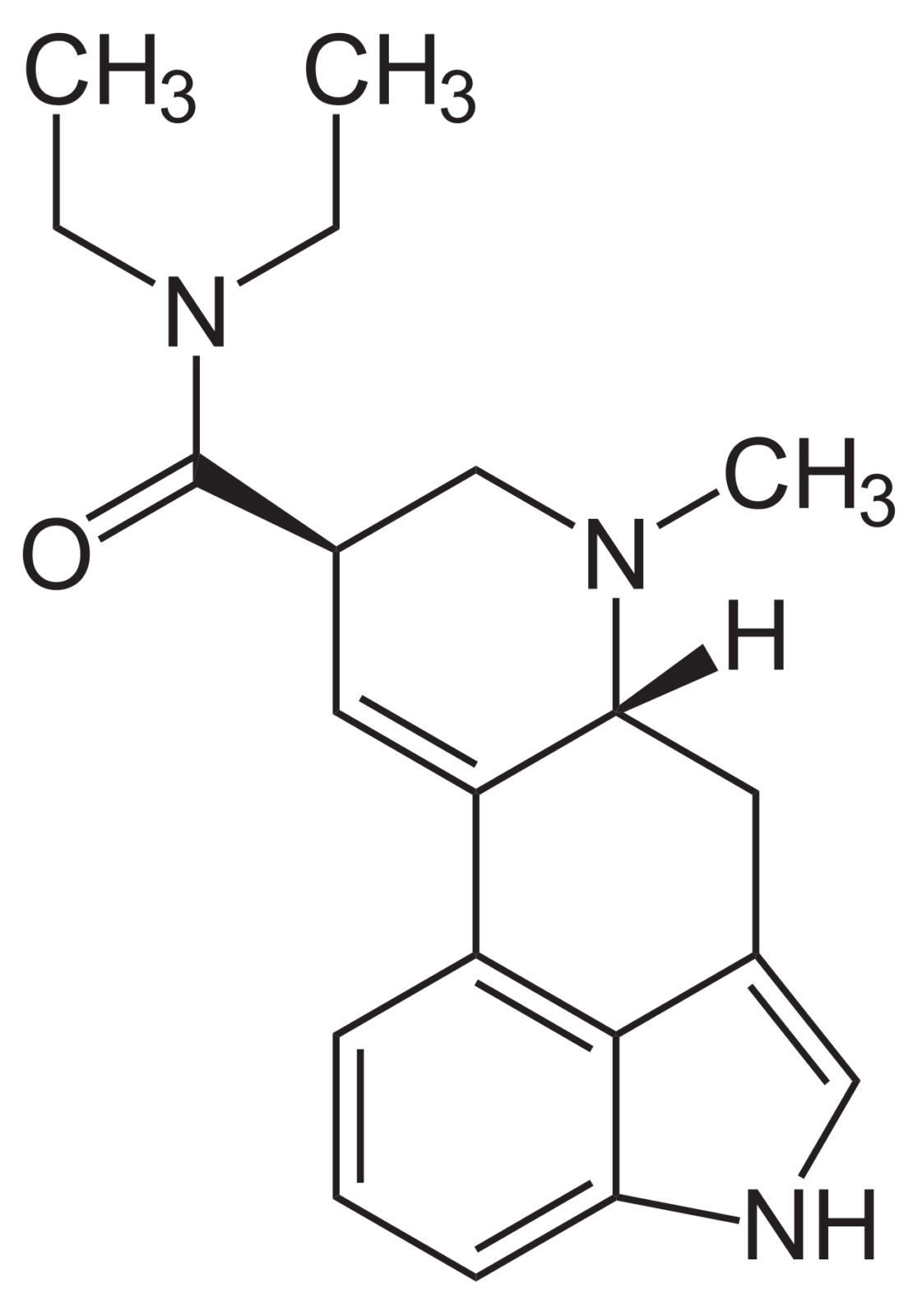
Lysergic acid diethylamide, LSD or its street name “acid”, is a synthetic psychedelic compound known to cause behavioral and psychological changes. It was originally created by the Swiss scientist Albert Hofmann by accident while researching the medicinal potential of ergot fungus that grows on rye and other grains. Today, LSD can be produced without the fungus, entirely synthetically.
As part of the “psychedelic renaissance” we are experiencing in recent years, researchers are examining the potential of LSD to treat anxiety, depression, addictions, and even chronic pain. Additionally, although this substance is not legal in most of the world, many people use it recreationally for its psychedelic effects.
What is LSD Microdosing?
Microdosing (or micro-dose) is the process of taking a very low, non-psychoactive, and almost imperceptible dose of psychoactive substances such as psilocybin mushrooms or LSD (about 1/10 or 1/20 of the regular dose). The goal is to achieve a state where we do not experience significant sensory or cognitive effects like in a regular psychedelic trip, but still allow the substance to subtly impact our consciousness, sensory regulation, mood, and overall well-being.
Why do people choose to microdose LSD?
Many users worldwide report that LSD microdosing improves their mental state, directly affecting their focus, creativity, and overall well-being. Additionally, some users claim that microdosing can help with certain medical conditions, such as depression, anxiety, and even chronic pain. The aim of microdosing is based on the theory that even micro-doses of LSD raise various neurotransmitter levels in the brain, such as serotonin and dopamine, involved in regulating mood, perception, and cognition. This claim is plausible because LSD and other psychedelics have been shown to have positive effects on mood and cognition, and can also enhance neural plasticity, which is the brain’s ability to change and adapt in response to new experiences.
There are many reasons why people choose to microdose, but ultimately, it is generally a practice aimed at personal empowerment and growth to improve creativity, self-awareness, focus, and problem-solving abilities without causing significant disruptions to daily life. It is important to note that microdosing should serve as a tool for other purposes. This means it should be part of a process, such as mental work with oneself, developing movement intelligence, learning to smile more at strangers, observing one’s place in group dynamics, developing new ideas, etc.
Here are some examples of using microdosing:
LSD microdosing to improve productivity in the workplace and high-tech industry
It is no secret that many people in Silicon Valley in the USA experiment with various microdosing protocols to enhance their abilities at work and also to improve their mental well-being. There are many stories about the relationship between the psychedelic movement and the technological developments that came from Silicon Valley. An interesting anecdote on this topic, although it is not related to microdosing but to the full acid experience, is that Steve Jobs once told the US Department of Defense that the acid experience “was a positive life-changing experience for me and I’m glad I went through it.”
LSD microdosing among musicians and artists
Music and art are also very common fields among people who engage in microdosing. The strange mental clarity that comes from using LSD, in addition to the ability to contain the experience relatively simply, creates a space where the artist can bring out ideas and techniques they might not have expected to find. Therefore, using microdosing, if done responsibly, orderly, and non-destructively, can serve as an amazing empowerment tool for artists. Many artists such as Sting, Paul McCartney, and Jim Morrison are just a small part of the artists who thank LSD as a significant part of their musical talent.
Microdosing or Just a Placebo Effect?
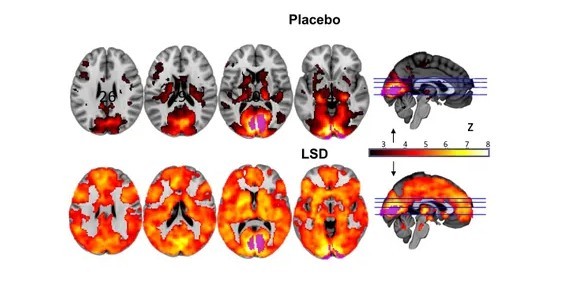
Many people around the world ask this question, and it is indeed interesting because it does seem that in the process of microdosing, a lot of effort is made to feel the substance less.
To partially answer this question, a 2022 study examined whether the effects of microdosing can indeed be isolated and compared to a placebo. The study involved two test groups that were randomly divided. One group received LSD microdoses several times at intervals of three days, while the other group was given a different substance that is not LSD, which also induces sensations slightly reminiscent of the effects of acid that the users expected to feel. The study found that the group receiving the placebo showed no improvement in psychomotor abilities or mood, while the group consuming LSD microdoses (approximately 13-26 μg) did show improvements in psychomotor abilities and mood. According to this study, it can be concluded that it is not a placebo effect but a real effect of LSD in microdoses.
Is LSD Microdosing addictive?
LSD is not considered an addictive substance and while some people may develop a psychological dependence on it similar to a gambling addiction, it does not cause the same type of physical dependence found with other drugs such as opioids or alcohol. Therefore, although there is no risk of physical addiction, it is still possible to develop psychological dependence and abusive use.
How to Microdose LSD?

Before we continue, it is important to clarify that the information presented in this post is not a recommendation for the use or purchase of illegal substances
The information is provided here for educational and harm reduction purposes only
LSD Microdosing Dosage Programs and Protocols
In the world of microdosing, there are several global experts and accepted protocols on how to perform a structured program of responsible LSD microdose consumption.
In this article, we will focus on the protocol developed by Dr. James Fadiman, who started his journey with psychedelic substances back in the 1960s. During the 2000s, he focused on microdosing and proposed the protocol named after him. Before we get to the protocol itself, it is important to emphasize that even Dr. Fadiman himself said that the protocol he developed is not suitable for everyone equally and also not suitable for an indefinite period. Fadiman suggested that users try his protocol for about a month or two, then decide what feels right and set a weekly dosing schedule accordingly.
LSD Microdosing Calculator
Frequency of LSD Microdosing According to Dr. James Fadiman’s Protocol

According to James Fadiman, LSD microdosing should be done twice a week. That means one day yes and then two days no, on the fourth day take again and then wait for the next week. A good example is to take only on Sundays and Wednesdays.
LSD Dosages for Microdosing According to Dr. James Fadiman
Dosages vary between users, but according to testimonies from thousands of users that James Fadiman collected over the years, when talking about microdosing LSD, or “microdosing”, the reference is to about 1/10 or 1/20 of the regular dose. This means about 5-15 micrograms of LSD.
Concluding Words on LSD Microdosing
To many people, microdosing sounds like a miracle drug and it has indeed become a very popular buzzword in recent years. However, it is important to remember that it involves the consumption of an illegal substance in most countries and, beyond the legal issue, LSD presents other questions such as health risks and long-term effects on a person’s mental health.
We are currently living in a time that some people like to call the “psychedelic renaissance”, and it is understandable. There is great excitement in the psychedelic community following every new study that comes out and even anecdotal reports from users who consume this substance illegally and unregulated. Yes, some of the stories they tell are breathtaking and amazing. In practice, the fact that in microdosing much smaller amounts are consumed is not enough to cancel out the potential dangers of using a substance in an unregulated market. Therefore, we want to emphasize that if you decide to take acid, it is a very serious responsibility! Many things can go wrong, for example: you can buy a substance that you were told is pure LSD, but in fact, get something completely different that can be dangerous, or the LSD can be diluted with other substances, or any number of other imaginable issues.
If you decide to try this substance despite the dangers and legal issues, it is very important to do so with the help of a professional in a controlled environment.
* As of today, there are no official LSD therapists *
Jim Fadiman talks about microdosing: